Political News

Political News

AFSPA extended in Tinsukia and neighbouring districts

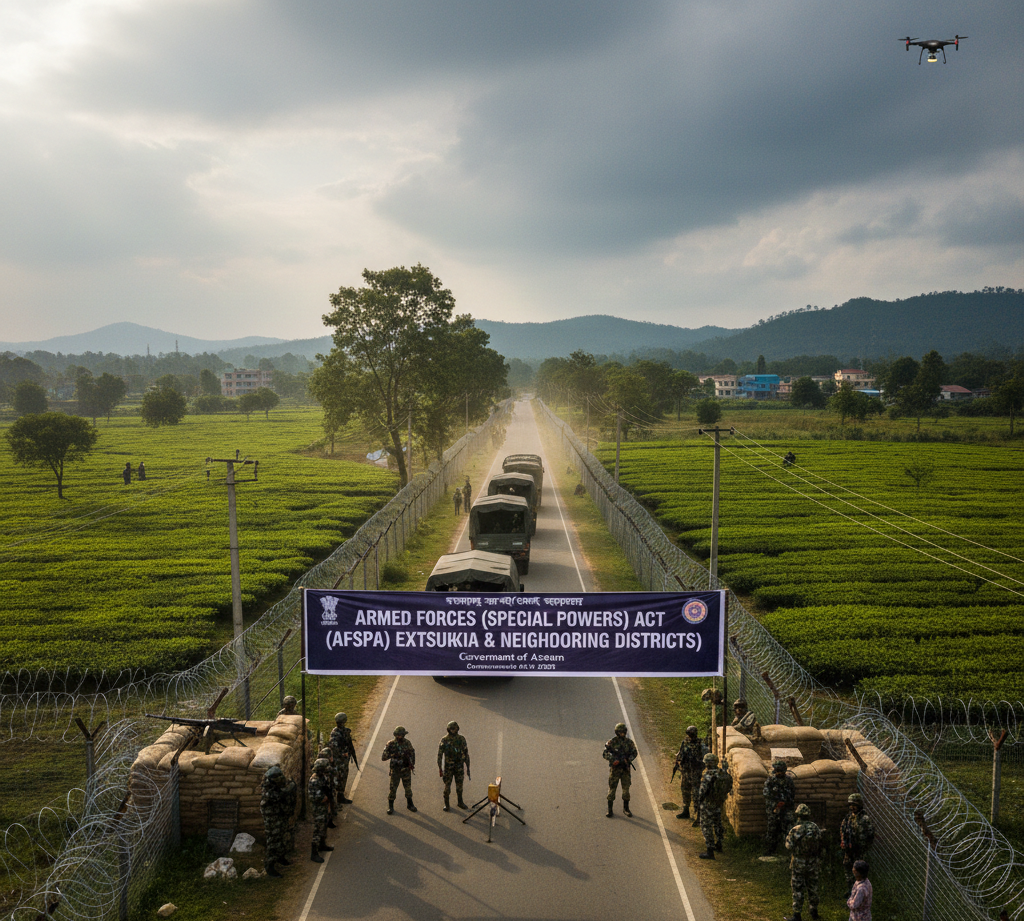
The Armed Forces (Special Powers) Act (AFSPA) was recently extended for six more months in Tinsukia, along with neighbouring districts Charaideo and Sivasagar, following a recommendation from the Assam government and approval by the Union Ministry of Home Affairs. This extension came into effect from 1 October 2025 and keeps these areas designated as “disturbed areas” under the law until March 2026. Authorities stated that despite significant improvements in law-and-order due to sustained counter-insurgency efforts, occasional incidents involving suspected militant groups such as ULFA(I) and movements of NSCN cadres continue to pose security challenges. AFSPA grants special powers to security forces operating in areas declared “disturbed,” including authority to conduct searches, make arrests without warrants, and take necessary action to maintain public order. While the law has been gradually withdrawn from many parts of Assam over recent years as the overall situation stabilized, the decision to retain it in Tinsukia and nearby districts reflects ongoing concerns about sporadic militant activity and the need for continued vigilance by security agencies.
Political News

Focus on Tinsukia in 2026 Assembly Elections

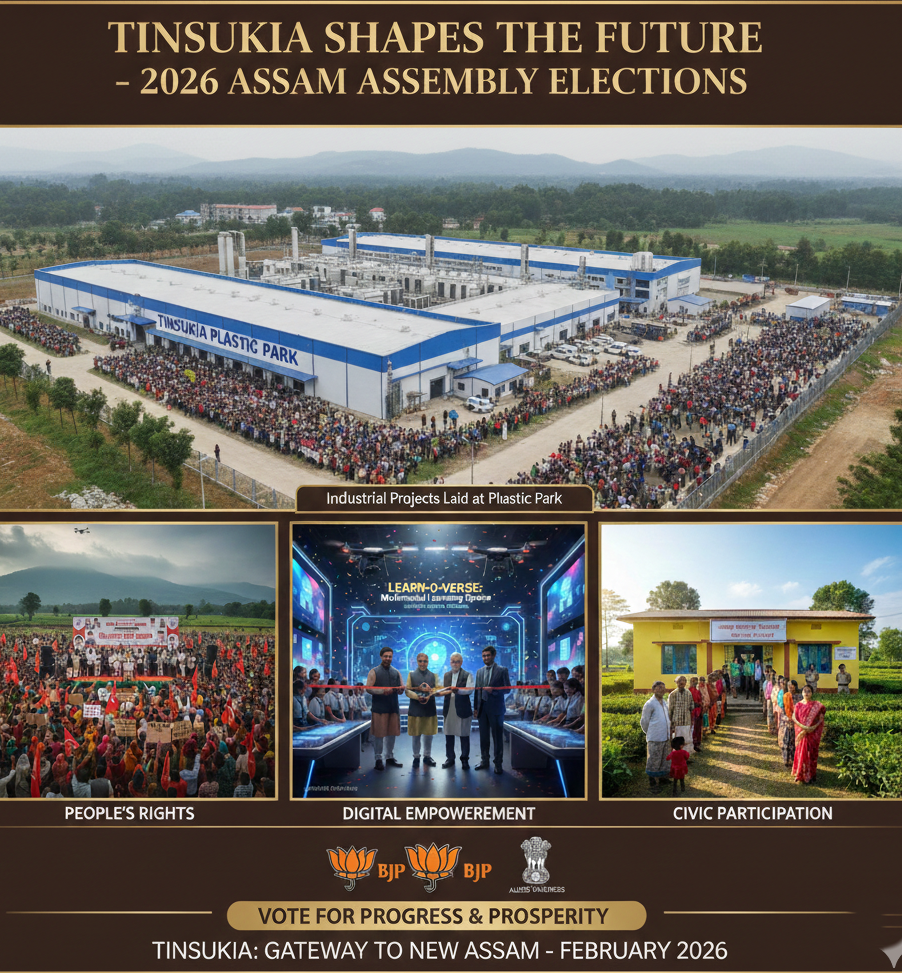
In the run-up to the 2026 Assam Legislative Assembly elections, Tinsukia has emerged as a key constituency drawing significant political attention from major parties. Situated in Upper Assam, the Tinsukia seat is seen as strategically important due to its diverse electorate, mix of tribal and non-tribal populations, and its socio-economic concerns that often reflect broader regional issues. Political parties have begun gearing up for campaigns, candidate selection, and ground-level outreach to connect with voters on local priorities such as development, employment, identity recognition, and welfare benefits. The contest in Tinsukia is expected to be competitive, with national and regional parties seeking to consolidate their support bases. Issues such as land rights, tribal status demands, infrastructure development, and tea-garden worker welfare are likely to shape political discourse in the area. Both incumbents and challengers are intensifying grassroots engagement through public meetings, community visits, and targeted messaging to influence voter sentiment. As polling day approaches, Tinsukia’s electoral dynamics are being closely watched by analysts as a potential bellwether for shifting political trends in Upper Assam.

Political News

Peaceful voting in Tinsukia district during Assam Panchayat Elections

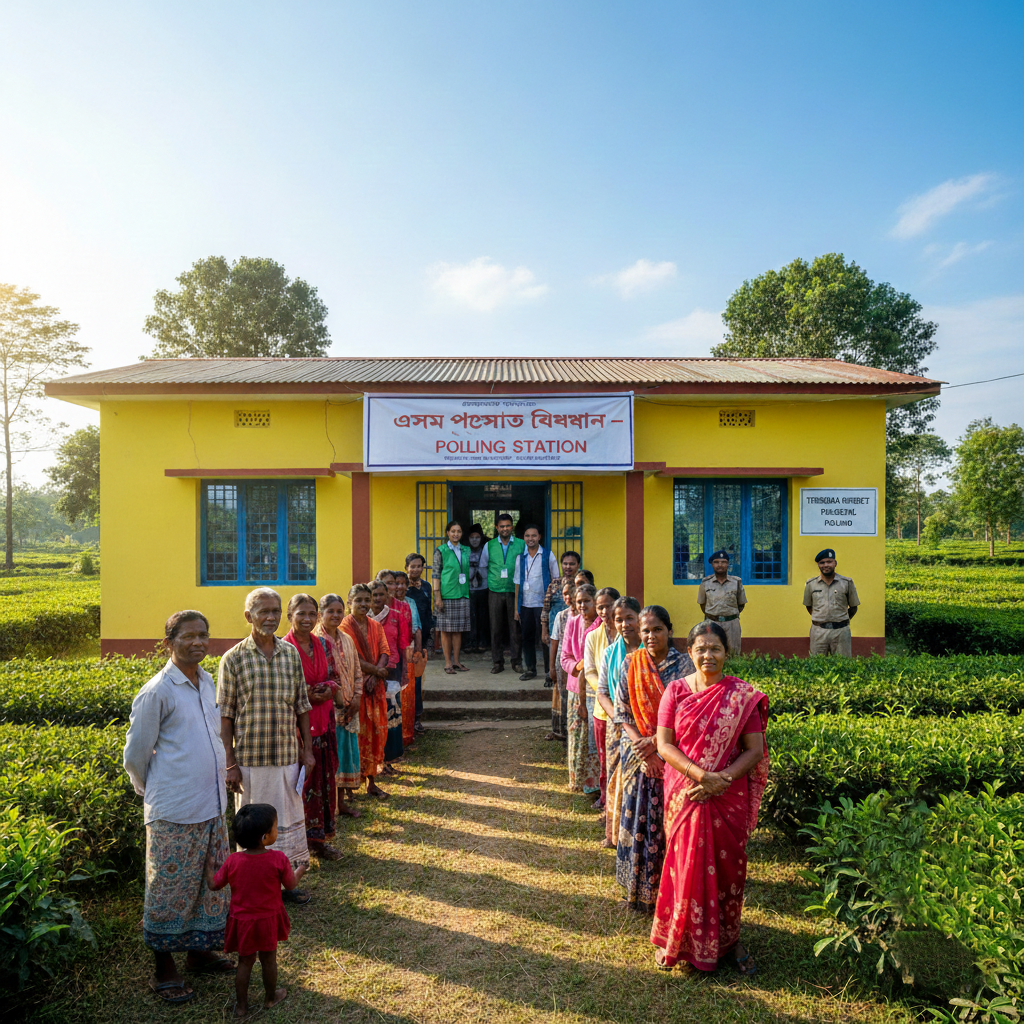
During the Assam Panchayat Elections, polling in Tinsukia district was conducted peacefully, with voters participating enthusiastically in the democratic process. From early morning, people from various rural areas lined up at polling stations to cast their votes. Authorities ensured proper security arrangements and smooth management at booths, which helped maintain order throughout the day. No major incidents of violence or disruption were reported, reflecting improved coordination between election officials and law enforcement agencies. The peaceful conduct of voting was viewed as a positive indicator of political maturity and civic responsibility among residents of the district. Local leaders and officials appreciated the cooperation of voters, polling staff, and security personnel in ensuring free and fair elections at the grassroots level. The smooth process strengthened confidence in rural governance and highlighted Tinsukia’s active role in Assam’s democratic framework.

Political News

JMM expands political outreach into Assam including Tinsukia

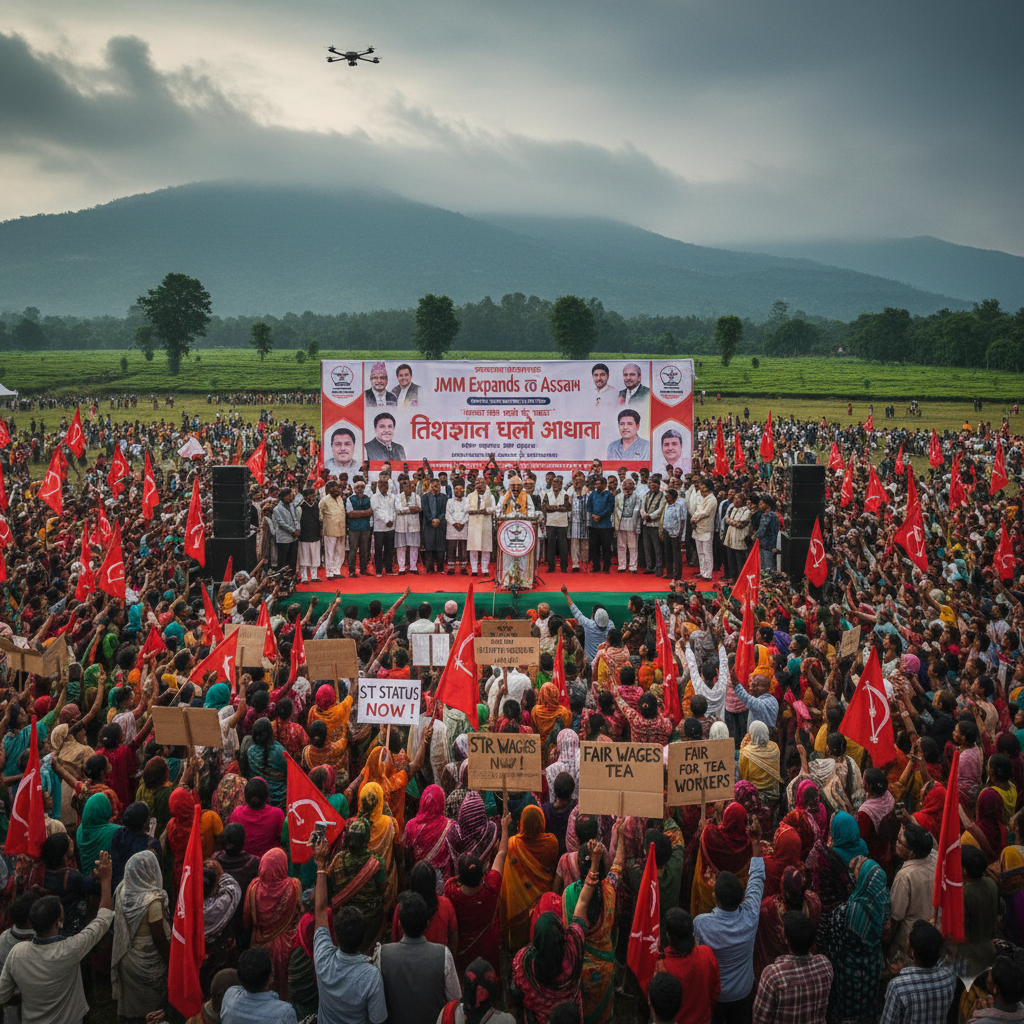
Jharkhand Mukti Morcha (JMM), led by Hemant Soren, has been stepping up its political outreach in Assam, including in Tinsukia, by actively engaging with Adivasi and Tea Tribe communities. Traditionally a dominant force in Jharkhand, the party is seeking to broaden its influence beyond state borders by connecting with tribal voters in Upper Assam, where identity politics and demands for recognition have become prominent issues. JMM leaders have held meetings with local community groups to understand their aspirations and build networks that could translate into electoral support in future state and national elections. The strategy reflects a larger trend of regional parties attempting to expand their footprint by addressing tribal grievances and socio-economic concerns across neighboring states. By focusing on issues such as tribal rights, welfare measures, and equitable development, JMM aims to tap into the sentiments of communities who feel underrepresented or overlooked by mainstream political parties. This outreach has added a new dimension to the political landscape in Tinsukia, prompting responses from local leaders and adding momentum to ongoing debates about representation and political power in Assam.

Political News

Massive Adivasi protest in Tinsukia over rights and welfare

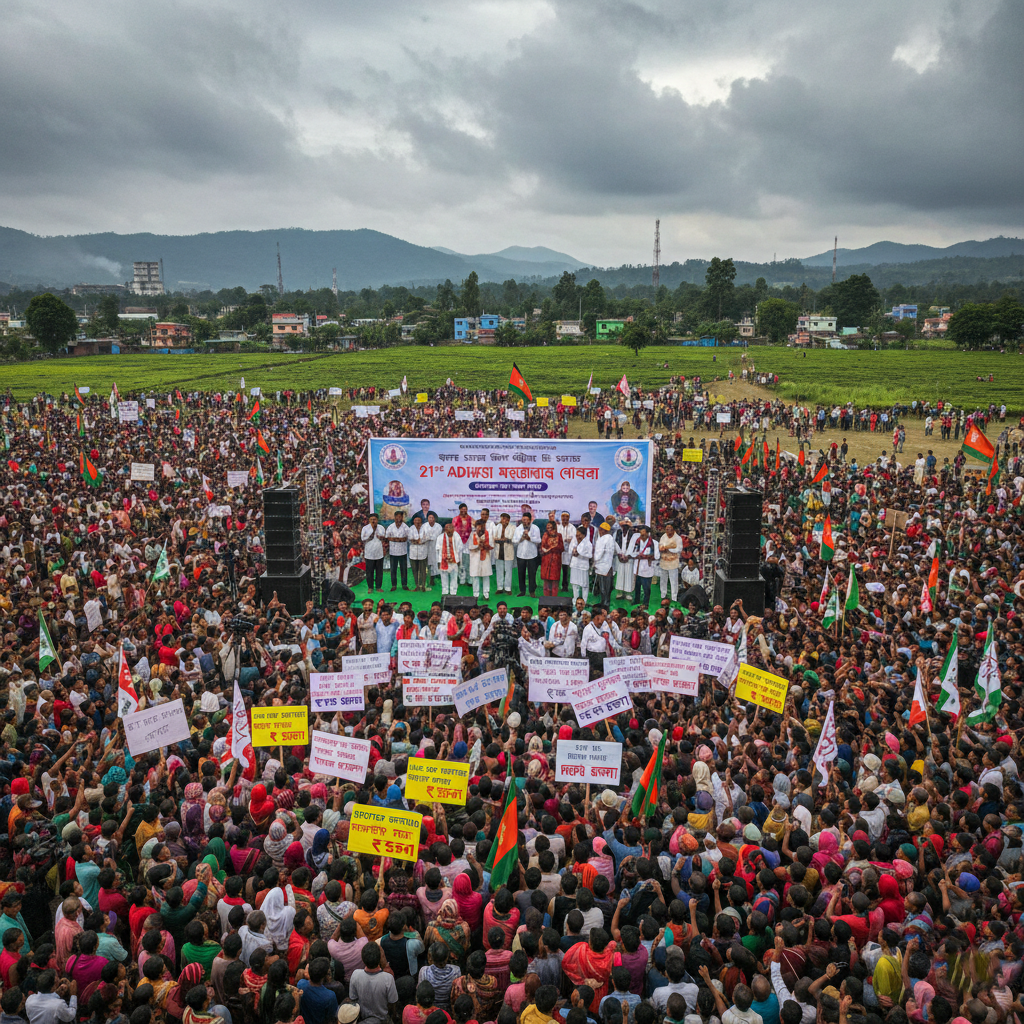
A massive protest was staged by thousands of Adivasi and tea-tribe community members at Hukan Pukhuri playground in Tinsukia, highlighting long-pending demands related to rights and welfare. The gathering saw participation from tea-garden workers, youth groups, women, and community leaders who expressed frustration over what they described as years of neglect and unfulfilled promises. Protesters raised slogans and addressed the crowd, calling for immediate government action to resolve their issues. The primary demand of the demonstrators was the granting of Scheduled Tribe (ST) status to Adivasi and tea-tribe communities, which would provide constitutional safeguards, reservations in education and employment, and improved access to welfare schemes. They also demanded land pattas for landless families, increased wages for tea-garden workers, better housing, healthcare facilities, and proper implementation of development programs. The large turnout underscored growing political pressure on authorities to address the community’s social, economic, and political concerns without further delay